Buyer Resources

Practical Guides for Buying Jute Sacks and Hessian Cloth

Short, buyer-focused resources for comparing specifications, preparing quote requests, and choosing jute products for packaging, construction, agriculture, and commercial supply.

Resource Library

These resources are written for procurement teams, distributors, contractors, packers, and importers who need clear product information before starting a quotation.

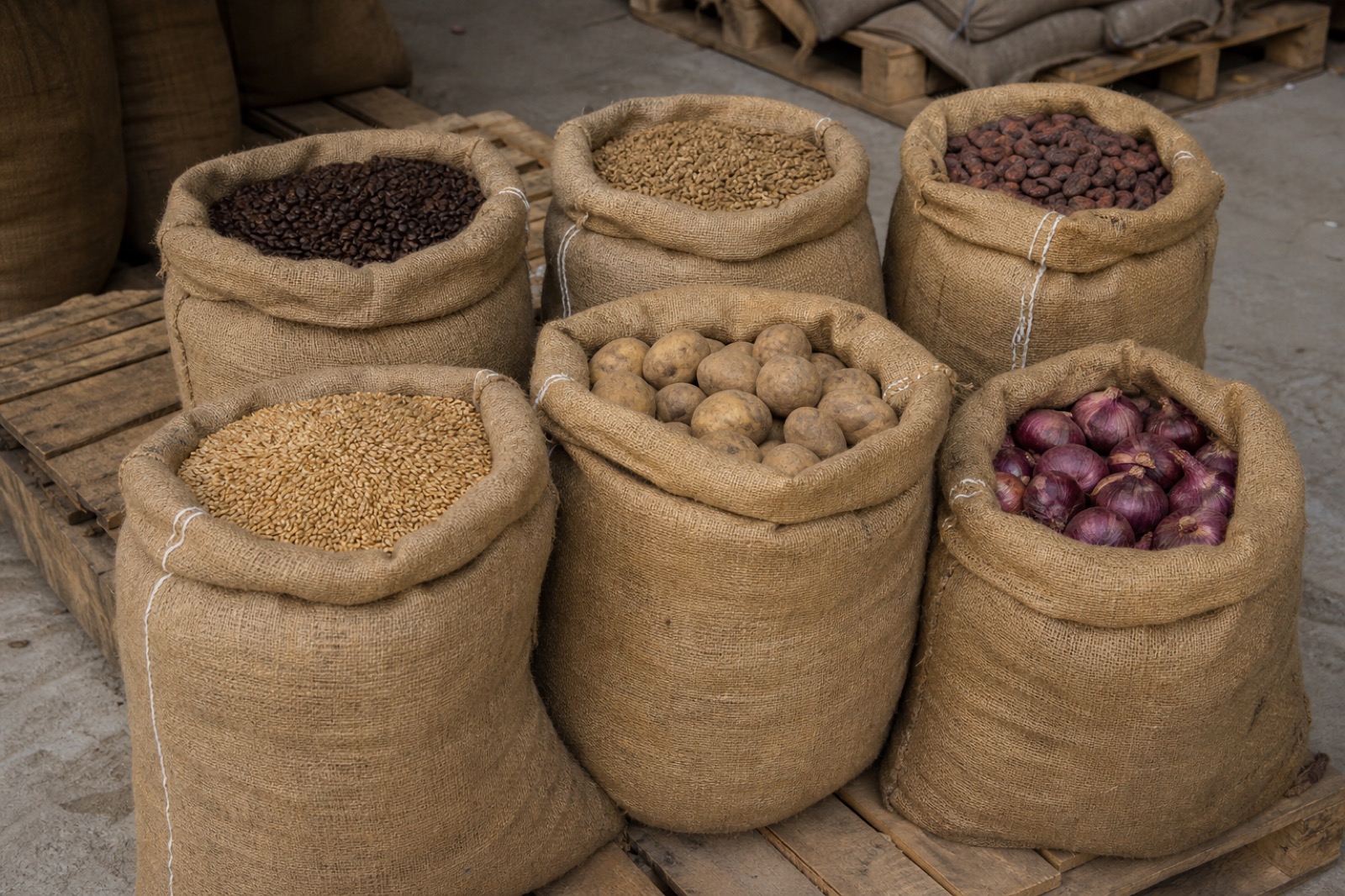
Jute sacks used for agricultural commodity packaging

Jute Sacks for Agricultural Packaging

How breathable jute sacks can support dry-goods handling, and when liners or coatings may be needed.

Read article
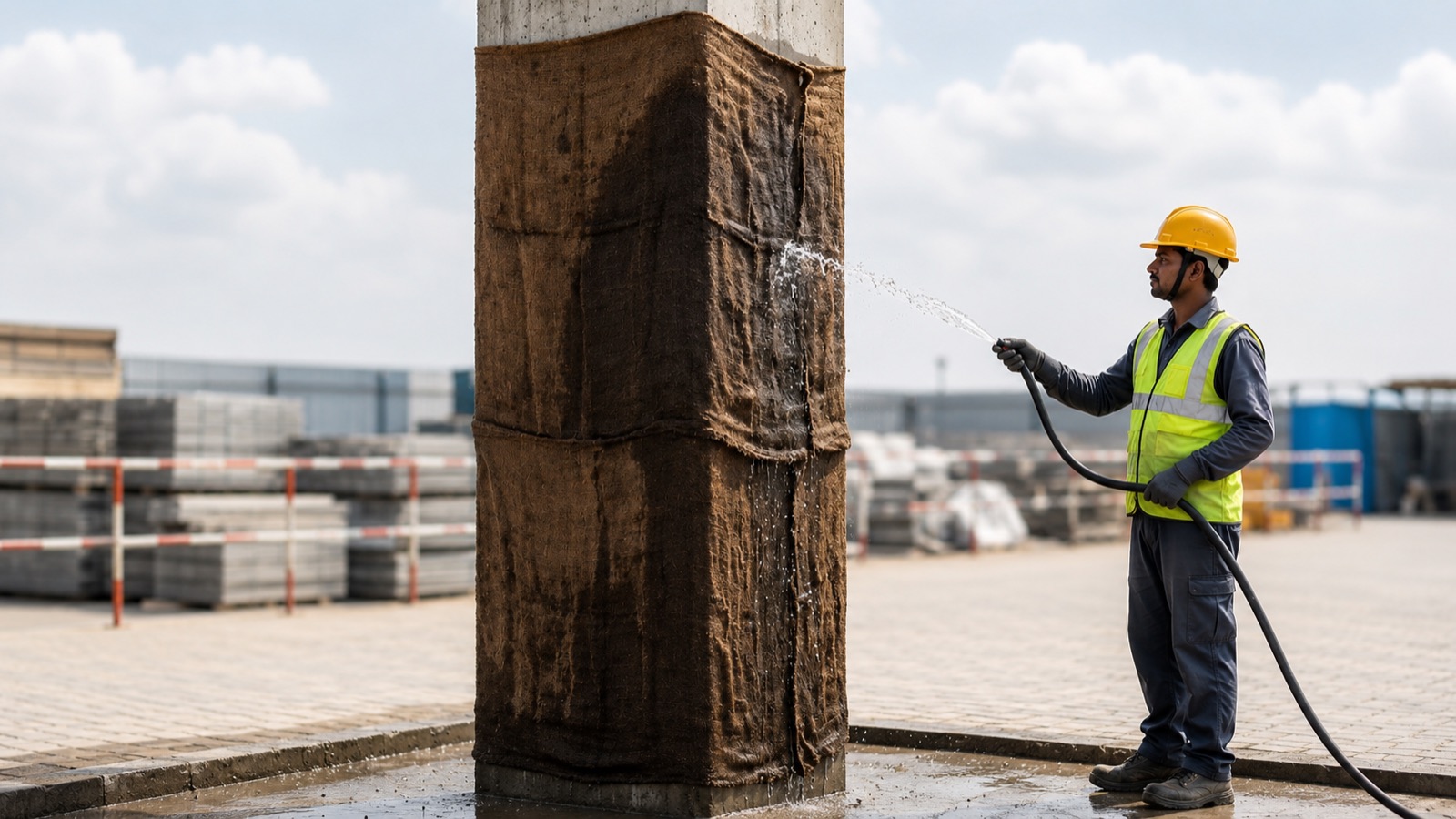
Hessian cloth used for concrete curing on a construction site

Hessian Cloth for Concrete Curing

What construction buyers should confirm when using absorbent hessian or burlap-style cloth for wet curing.

Read article
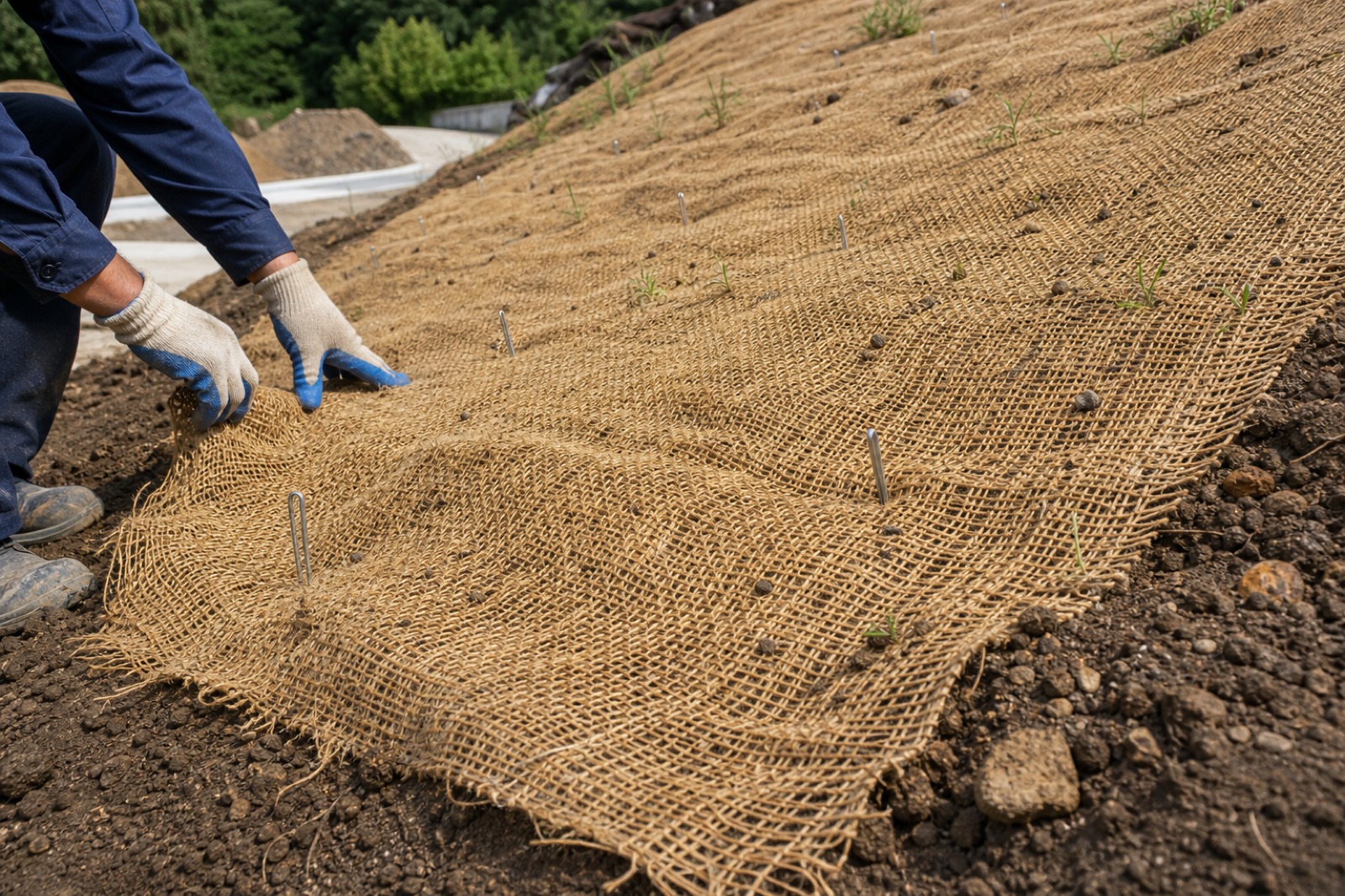
Jute textile used for erosion control on a slope

Jute for Erosion Control

Where natural jute fabrics can make sense for temporary site protection and vegetation-assisted stabilization.

Read article

Hessian Cloth for Concrete Curing

When Hessian Cloth Makes Sense on a Construction Site

Hessian cloth, also called burlap in many construction documents, is commonly used as an absorbent wet-curing cover. The purpose is straightforward: keep the concrete surface moist long enough for hydration to continue and for the concrete to develop the required performance.

For buyers, the important point is that hessian cloth is not a magic curing material by itself. It must be clean, suitable for site use, applied at the correct stage, and kept continuously wet. If the cloth dries out, is contaminated, or is made from unsuitable used sacks, it can create staining, uneven curing, or quality concerns instead of helping the job.

What to Confirm Before Ordering

  • Required width, roll length, weight, and quantity
  • Whether the cloth will be used for concrete curing, covering, or general site protection
  • Cleanliness expectations and whether the project has a consultant or contractor specification
  • Site method for keeping the cloth wet during the curing period

Careful Commercial Positioning

  • Good claim: absorbent hessian cloth can support wet-curing practice when used correctly
  • Avoid: claiming any cloth will automatically improve concrete strength
  • Avoid: recommending contaminated, previously used, or unknown sackcloth for curing
  • Best fit: clean curing cloth supplied to an agreed project specification

Buyer note: share the curing method, project specification, width, fabric weight, surface area, delivery location, and required timeline when requesting a quote.

Sources Reviewed

Jute for Erosion Control and Temporary Site Protection

Best Fit: Temporary Protection While Vegetation Establishes

Natural jute fabrics are often most credible in applications where the goal is early-stage protection followed by vegetation, soil stabilization, or site restoration. In this role, biodegradability is a design advantage: the fabric helps protect the surface at the beginning, then gradually breaks down as the permanent ground cover takes over.

This does not mean plain hessian or jute sacks should be sold as permanent hydraulic armor. Long-duration exposed works, high-energy water flow, and permanent riverbank protection usually require engineered geotextiles or project-specific technical systems. The safer and more useful buyer message is that jute-based fabrics can be a practical natural-fiber option for temporary erosion control, slope cover, revegetation support, and short-duration site protection when matched to the design requirement.

Good Use Cases to Discuss

  • Slope cover where vegetation will be established
  • Temporary soil protection on landscaped or construction areas
  • Short-duration erosion control where lower plastic content is preferred
  • Project-specific jute geotextile enquiries with technical requirements

Details Buyers Should Provide

  • Application: slope, embankment, landscaping, site protection, or erosion control
  • Required GSM, width, roll length, and area to cover if known
  • Exposure conditions, expected service period, and water-flow conditions
  • Any consultant, contractor, or authority specification

Buyer note: if the project needs permanent exposed hydraulic protection, ask for a project-specific engineered solution rather than treating plain hessian sacks as a substitute.

Sources Reviewed

Jute Sacks for Agricultural and Commodity Packaging

Breathable Packaging, Not a Moisture Barrier

Jute sacks are widely used for agricultural commodities and dry-goods handling because the fabric is breathable, stackable, and practical for bulk trade. Typical use cases include grains, produce, coffee, cocoa, animal feed, potatoes, onions, and similar commodities where buyers need a strong natural-fiber packing format.

The key buyer caveat is moisture. Plain jute is breathable, which can be an advantage for many dry goods, but it is not a moisture barrier. For moisture-sensitive products, humid storage, longer storage periods, or seed-quality protection, buyers may need a lined, laminated, coated, or otherwise upgraded bag rather than ordinary plain jute.

Useful Quote Details

  • Commodity to be packed and target filled weight
  • Bag size, fabric weight or previous sample details
  • Storage conditions, transport route, and expected handling
  • Printing, stitching, lining, lamination, or documentation needs

How to Choose the Right Bag

  • Use plain jute where breathability and natural-fiber handling are suitable
  • Consider lined or laminated options for moisture-sensitive goods
  • Confirm stitching and mouth type based on filling and handling process
  • Confirm packing format and bale count for logistics planning

Buyer note: if product quality depends on moisture control, tell us during quotation. The bag specification should match the storage and transport conditions, not just the commodity name.

Sources Reviewed

Jute Sack Buying Checklist

Details to Confirm Before Requesting a Quote

A clear specification helps avoid mismatches between the bag supplied and the way it will be filled, stored, stacked, or transported. Before asking for pricing, prepare the details below where possible.

Product and Use

  • Commodity or material to be packed
  • Target filled weight or load capacity
  • Storage and transport conditions
  • Food, agriculture, construction, or industrial use

Bag Specification

  • Required size or previous sample size
  • Fabric construction or weight if known
  • Stitching, mouth type, lining, lamination, or safety sewing
  • Printing colors, artwork, and marking position

If you do not have a full specification, share photos, the packed material, approximate capacity, quantity, and destination. NDT can use those details as a starting point for discussion.

Hessian Cloth for Construction and Site Use

What Buyers Should Confirm

Hessian cloth is often selected for construction because it is breathable, flexible, and practical for site handling. For concrete curing and site protection, the most important buying details are width, fabric weight, roll or bale length, finish, quantity, and project location.

Concrete Curing

Confirm the curing method, surface area, required fabric weight, and whether the cloth will be kept wet during use.

Site Protection

Confirm whether the cloth is for covering, wrapping, erosion control, temporary protection, or general industrial use.

Packing Format

Confirm roll length, bale packing, width, and handling preference so the supply format matches site requirements.

Project specifications can vary. Buyers should confirm any consultant, contractor, or authority requirement before placing an order.

Jute vs Hessian

How to Choose the Right Starting Point

Jute sacks and hessian sacks are both jute-based materials, but they solve different buying needs. A finished jute sack is usually selected when the buyer already knows the packed material and handling process. Hessian sacks are usually selected over heavy sacking when breathability, lighter weight, and flexibility are prioritized, making them ideal for high-value agricultural export and horticulture needs. This fabric is more lightly woven.

Choose Jute Sacks When

  • You need sacks for commodities, produce, feed, or bulk packing
  • You already know the required bag size or filled weight
  • You need stitching, mouth type, printing, or packing details confirmed

Choose Hessian Sacks When

  • When breathability, lighter weight and flexibility are prioritized
  • When high-value more sensitive agricultural exports are required
  • For Flood Mitigation & Embankments: allow water to drain while holding back soil and sand

Quote Preparation

Fast Quote Information

For the fastest response, include the product name, specification, quantity, destination, timing, and any documentation or packing requirements. If you are comparing options, explain the use case instead of forcing a specification too early.

For Jute Sacks

Size, filled weight, construction, sewing, printing, lining, packing, quantity, and destination.

View jute sacks

For Hessian Cloth

Width, weight, length, finish, packing format, use case, quantity, and destination.

View hessian cloth

For Documentation

Share required product or shipment documents during quotation. Availability depends on product, specification, and shipment requirement.

Read FAQ

Ready to Discuss a Requirement?

Send your specification or describe the application. NDT can support commercial supply discussions for jute sacks and hessian cloth across Dubai, the UAE, GCC, Europe, Africa, and other international markets.

WhatsApp
WhatsApp Email